
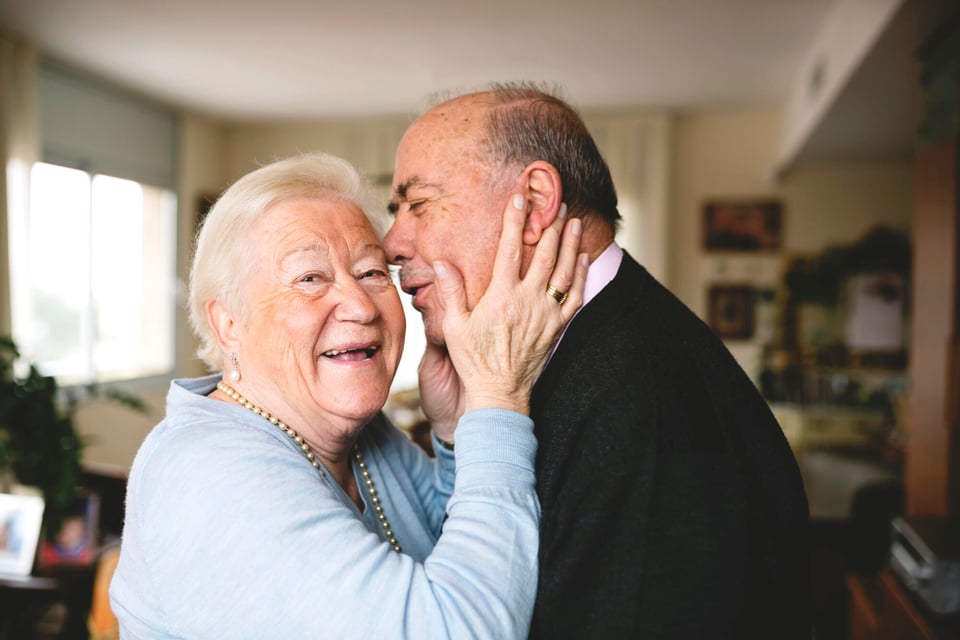
Benefits of marriage for memory and brain health include emotional support and social interaction. A spouse can provide daily companionship, reduce stress, and encourage consistent mental stimulation. Couples also share problem-solving tasks and maintain routines, strengthening cognitive engagement over time.
According to the Alzheimer's Association, about 1 in 9 adults aged 65 and above has Alzheimer's. Many of these seniors rely on their spouses for guidance, reminders, and comfort throughout the day. Living in a memory care community like The Haven & The Laurels in Stone Oak can make daily life easier.
Located in San Antonio, TX, our community offers beautiful spaces, landscaped grounds, a fitness area, a bistro, and private dining. Trained caregivers support residents with daily routines, social activities, and personalized care for safety and engagement.
Who Benefits Most From Marriage?
Older adults benefit from marriage in different ways depending on gender and relationship dynamics. Research suggests men often gain stronger physical health and longevity through daily structure and support. Women tend to benefit more from:
- Emotional connection
- Shared responsibility
- Social engagement
- Sense of security
- Emotional support
Relationship quality matters most, as supportive partnerships protect memory and reduce stress. Balanced relationships help both partners stay mentally active, emotionally secure, and engaged in later life.
How to Improve Your Memory and Brain Health?
Seniors can improve cognitive wellness by:
- Learning new skills
- Staying physically active
- Engaging socially
- Following routines
- Reducing stress
- Getting quality sleep
Mental stimulation supports memory, focus, and problem-solving abilities. Daily habits that combine movement, learning, and connection strengthen brain function. Companionship and shared activities also support emotional balance and long-term mental resilience.
Benefits of Marriage for Memory and Brain Health
As people age, their memory and thinking skills often decline, increasing the need for daily support. Marriage provides a steady emotional connection and shared routines that help maintain mental engagement.
Living in an assisted community like The Haven & The Laurels in Stone Oak adds trained caregiver support. Together, spousal support and companionship in senior living improve comfort, safety, and overall quality of life.
Emotional Support Reduces Stress
Emotional support from a spouse lowers stress hormones that can damage neurons over time. Sharing daily experiences creates reassurance and stability, promoting emotional health and aging. Couples who offer empathy and encouragement help each other navigate life challenges.
Lower stress supports:
- Better sleep
- Improved focus
- Sustained memory performance
- Emotional balance
- Mental clarity
Social Interaction Boosts Cognition
Interacting with a partner engages memory and attention through conversation and joint activities. Daily dialogue, shared decision-making, and reminiscing stimulate cognitive networks. Strong senior relationships provide opportunities for:
- Learning
- Reasoning
- Recall practice
- Problem-solving
- Mental engagement
Couples often participate in hobbies, community events, or volunteering that challenge the mind. Social engagement fosters mental agility and prevents isolation-related cognitive decline.
Shared Problem-Solving
Collaborating on everyday tasks strengthens memory through shared responsibility and active thinking, including:
- Managing finances
- Planning meals
- Household organization
- Scheduling appointments
- Managing routines
Joint decision-making encourages attention, reasoning, and flexible thinking skills. Spouses offer feedback, reminders, and alternative perspectives that exercise cognitive abilities. Shared problem-solving reinforces marriage and memory by creating frequent mental challenges.
Routine and Structure
Daily routines with a partner provide consistency that supports cognitive function. Predictable schedules reduce mental load and free capacity for memory and focus. Shared activities, such as walking or meal preparation, integrate both social and mental stimulation.
Structured days encourage participation in hobbies, appointments, or community events. Routine creates a framework where cognitive wellness can thrive naturally through repeated practice.
Sense of Purpose
Feeling needed and connected within a marriage reinforces motivation and engagement. Helping a spouse or contributing to shared goals encourages mental alertness. A sense of responsibility strengthens memory through regular:
- Planning
- Reflection
- Action
- Decision-making
- Follow-through
Couples often support each other's interests and encourage participation in meaningful projects. Purposeful engagement is a cornerstone of companionship in senior living and overall well-being.
Emotional Resilience
Marriage nurtures emotional resilience by offering consistent support during challenges. Coping with daily stress or health issues together strengthens adaptive thinking. Resilient couples experience fewer mood fluctuations, which protects attention and memory function.
Frequent emotional reinforcement improves confidence, motivation, and the ability to manage change. Emotional resilience in a supportive partnership contributes to lasting brain health and life satisfaction.
Frequently Asked Questions (FAQs)
How Does Remarriage Later in Life Affect Brain Health Outcomes?
Remarriage later in life can provide:
- Emotional support
- Companionship
- Mental stimulation
- Shared purpose
- Social engagement
Forming a new partnership encourages conversation, shared routines, and problem-solving that engage memory. Seniors may experience reduced stress and improved mood, which supports cognitive function.
Remarriage can expand social networks and offer opportunities for active participation in life. Strong, supportive remarriages may help slow age-related memory decline and promote long-term brain health.
How Do Shared Spiritual Practices Affect Cognitive Aging in Couples?
Shared spiritual practices encourage reflection, routine, and social connection, which benefit memory. Participating in meditation, prayer, or religious study exercises attention and mental focus.
Spiritual routines also provide emotional support and reduce stress, protecting cognitive function. Couples who engage together often strengthen communication and problem-solving skills.
Does Marriage Affect Memory Differently in Early Versus Late Adulthood?
Marriage impacts memory throughout all adult stages, but the effects can vary based on age and lifestyle. In early adulthood, marriage may support:
- Habit formation
- Shared responsibilities
- Emotional stability
- Financial planning
- Social connections
In later adulthood, companionship, joint problem-solving, and social engagement provide more direct memory benefits. Older couples gain mental stimulation from shared daily tasks and conversation. Memory advantages often depend on relationship quality and consistent engagement over time.
Strong Bonds and Brain Health: How Marriage Supports Memory
The benefits of marriage extend beyond companionship, offering consistent mental engagement and emotional support that help maintain memory. Shared routines, conversation, and problem-solving strengthen cognitive function, while caring partnerships create a sense of purpose and connection.
At The Haven & The Laurels in Stone Oak, we offer memory care and assisted living near San Antonio's historic Alamo and scenic River Walk. Our veterans program provides a $1,000 one-time discount and half off the first month's rent each year. We offer cultural events, fitness classes, and social activities to keep residents engaged.
Our trained caregivers provide support while encouraging independence. Call us today to explore life with community, connection, and care.